

A STUDY IN PARALLELS
- Disha Mazumder
- Dec 29, 2021
- 2 min read

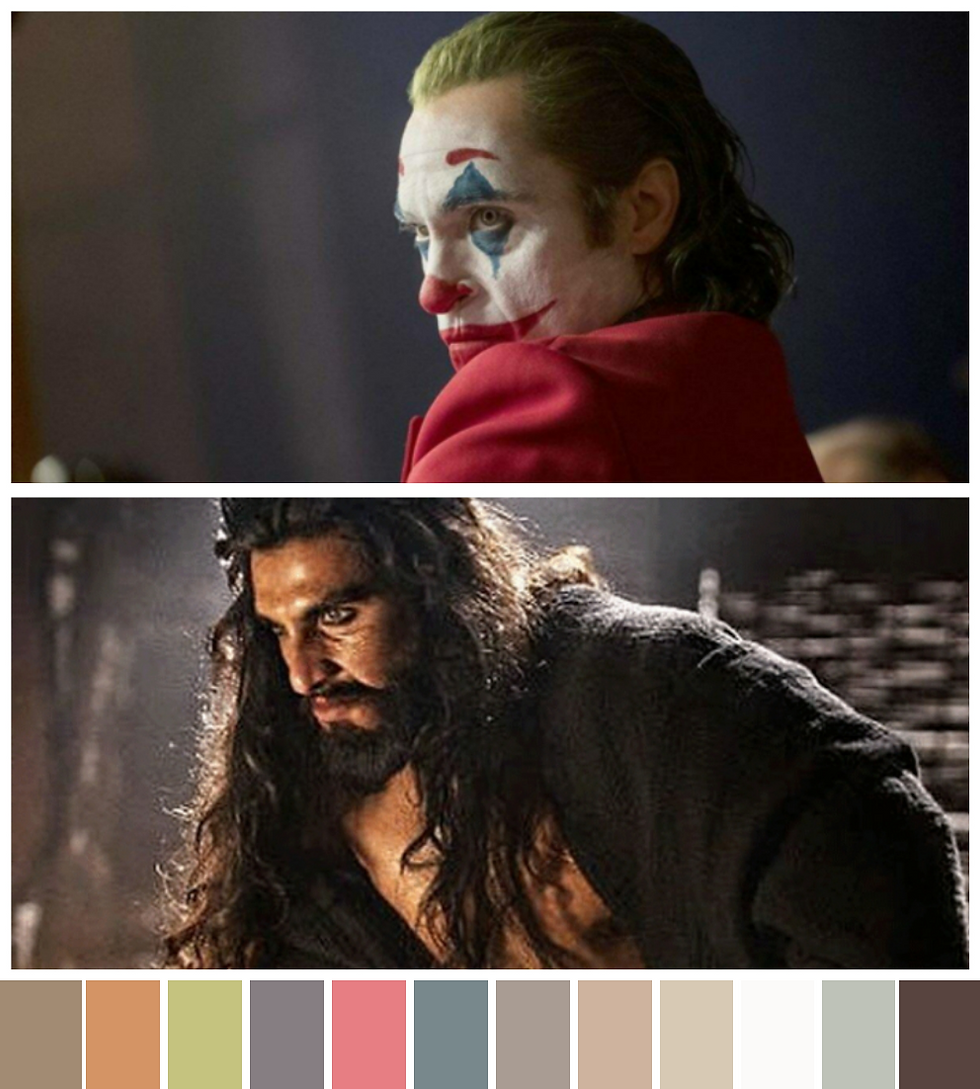
“The series of cinematic parallels created by @india.in.cinema is a stylistic reimagination. It is an experiment in the artistic study of frames, analysing colours, angles, shots, and cinemascapes. It is beautifully done and truly reflects the vision of the creator. In addition to this, the film and art series is an intellectual meditation delving into two forms of expression - bringing out the best in both. It works with moods and tonality to match, blend and evoke artistic inspiration in the viewer.”
12 years a slave (2013) - Director: Steve McQueen
Lagaan (2001) – Dir: Ashutosh Gowariker


Based on true social situations of two different countries, around a similar time period, the two films follow a close and similar storyline. The small part of the humanitarian struggle against starvation, for freedom, and the most basic necessities of living that were very prominently existing in the world in the times of colonization has been captured by both films in their own ways and expressions.
Made almost 12 years apart both films also have some very similar scenic and character depictions. Studying the parallel sides of both cinemas was extremely interesting as it helped understand the craft of filmmaking and also gave a glimpse into the thoughts of the filmmakers into trying to bring certain emotions to the screen. The scenic similarities of both films drew my attention all the more because of the similarities of the realities of both stories.
Made in 2001, Lagaan uses a warm tone throughout the film which plays well with the storyline, while 12 years a slave uses more natural tones to give a very realistic feel to the film.
The two films won multiple awards and were critically acclaimed for their brilliant portrayal of historical scenarios in a film version. While war has been one of the most prominent topics in films, it’s an essence of human life, struggle, oppression, and discrimination captured to the point of reality in these films that set them apart from the rest. Both films play around capturing the turmoil of human emotions amid the fight for standing up for basic human needs.


One major difference between the two films is that Lagaan, made in India, carries a very authentic Bollywood flavor to it by bringing relief to the audience with its occasional music sequences and a hint of romance among some leading characters. While 12 years a slave is a long journey of turmoil that leaves a long-lasting effect on the audience's mind. The true stories or situations that have inspired the films also play a very important role in driving the audiences to not only watch but also to feel and understand the message conveyed, the tale told.
While the topic of both films has also been a topic of many other films, I believe, both films play a very important and prominent role in the film, culture, and historical aspects.
A little glimpse into the audience's perspective helps understand the parallels in another light.
“It's great to see how well the nature of fighting for liberty is encapsulated and translated through this parallel comparison with methods of human expressionism, artistry & sport, the human connection.”
@india.in.cinema on Instagram is my small attempt of trying to capture the artistic essence, craft, colors, and parallels in films. Visit for more :)


Comments